Notes on AI that actually
holds up on a Tuesday
Essays on team coordination, agentic systems, and the gap between demos and real work.
How do you know an AI agent won't hallucinate before it goes live?
Buyers now treat hallucination as a security question. Here is how Alknoma tests an agent for it before it reaches a real person.
What are reactive, proactive and durable agents?
Reactive, proactive and durable are not three levels of one thing. They answer different questions about an AI agent: what starts it, and how long it lives.
How do you build a proactive agent?
A proactive agent needs four parts: a goal, a memory it writes as it works, a way to wake itself, and rules for when to act and when to wait.
Your PM Tool Isn't the Problem: What Asana, Jira & monday Don't Solve
Asana, Jira, and monday track the state of your work. They don't move it. The board can be perfectly up to date while the work behind it sits stalled for a week. Here's what your PM tool was never built to solve—and why switching tools doesn't fix it.

Context Handoffs: Why Work Dies Between People (and How to Stop It)
A context handoff is the moment work passes from one person, tool, or stage to the next—and the context needed to act on it has to travel with it. Work doesn't die because people are slow. It dies in the handoff, when the context fails to make the trip. Here's why that happens and how to stop it.
How to Reduce Coordination Overhead in Remote Teams (Without More Meetings)
Coordination overhead is the time your remote team spends keeping work aligned—chasing updates, hunting for context, waiting on replies—instead of doing the work. Adding meetings just moves the cost around. Here's how to actually reduce it: make context travel, route decisions to owners, make waiting visible, and automate the chasing.
The Coordination Tax: Why Teams Lose More to Talking About Work Than Doing It
The coordination tax is the time and attention a team spends keeping work aligned—chasing updates, hunting for context, sitting in status meetings, and waiting on replies—rather than doing the work itself. It scales faster than headcount, and most teams never measure it. Here's how to see it and shrink it.
AI Workflow Debt: The Hidden Tax Slowing Your Team Down
AI workflow debt is the accumulated drag of half-finished automations, brittle prompt chains, and tools that don't talk to each other. Like technical debt, it compounds quietly—until coordination, not capability, becomes the bottleneck. Here's how to recognise it and pay it down.
AI Coworkers vs Coordination Layers: Two Very Different Bets on Team AI
Most AI-for-teams products make one of two bets: build an AI coworker that does the work like an extra headcount, or build a coordination layer that automates how work moves between the people you already have. They solve different problems. Here's how to tell which one your team actually needs.
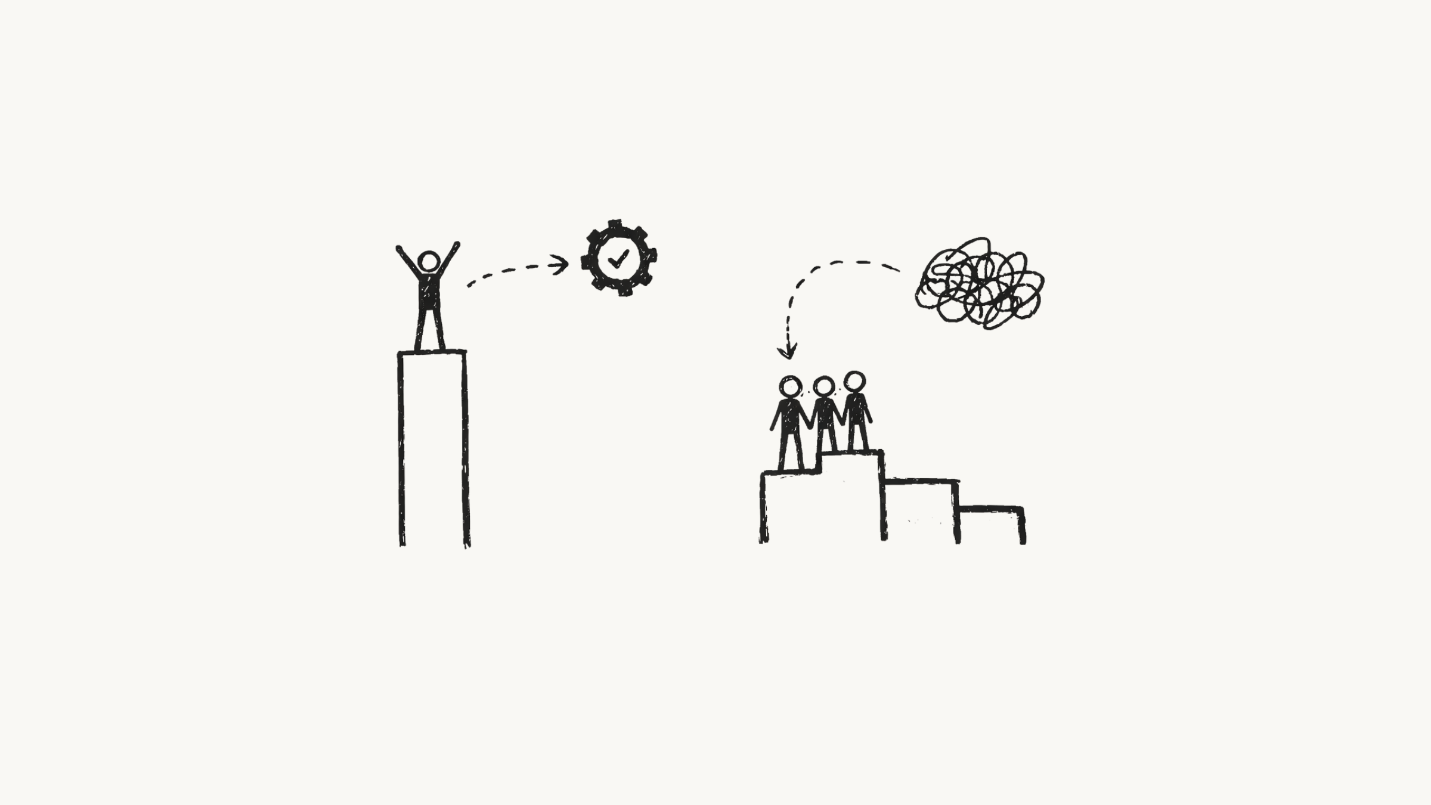
The Gap Between Individual AI Gains and Team Performance
AI can make one person faster very quickly. It does not automatically make the team move faster. The bottleneck usually isn't the writing — it's the coordination around the work.

Busy Isn't Productive: The Hidden Work Slowing Your Team Down
The problem isn't effort. It's the coordination tax: the invisible work created purely to align people, re-explain decisions, and chase missing pieces. This isn't execution. It's fake work, and it quietly eats the capacity teams think they have.

Why Most AI Tools Assume a Perfect World (And Teams Don't Work That Way)
AI workflows look brilliant in demos, then quietly fall apart on a Tuesday afternoon. Not because the model is bad, but because the workflow assumes conditions your team almost never has: complete context, stable priorities, and instant decisions.
The Real Cost of AI: Sunk Costs, Rebuilds, and Workflow Debt
AI promises productivity gains, but hidden costs pile up fast. Sunk costs drive teams to double down on broken setups, rebuild loops drain resources, and workflow debt quietly erodes momentum. Here's what it actually takes to break the cycle.
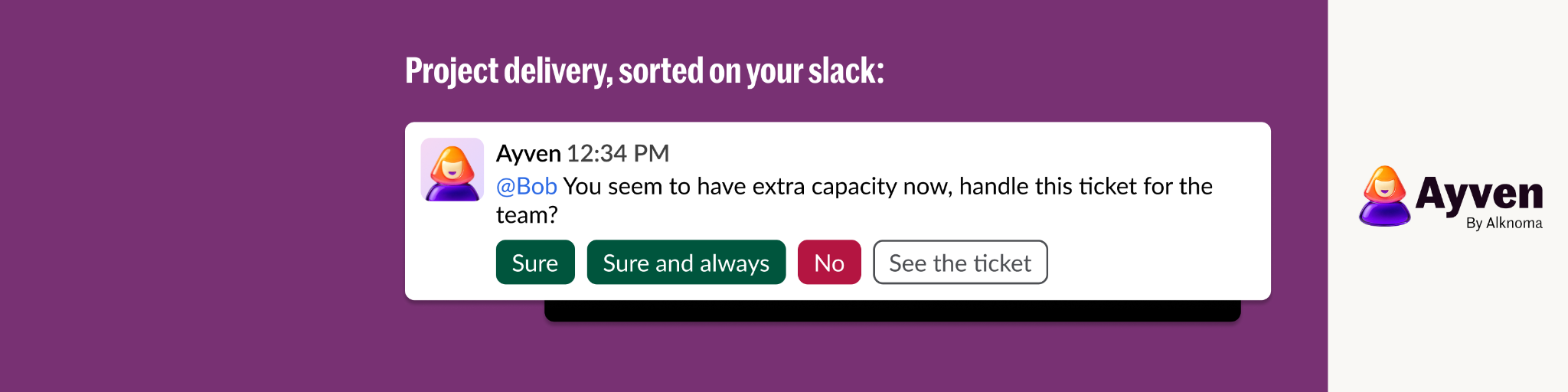
Meet Ayven: Alknoma's AI Automation That Turns Busy Work Into Real Outcomes
Ayven is the proactive AI agent Alknoma built for teams: it reads a team's chat in Slack and Microsoft Teams, keeps records of who asked what, who owes an answer and what was decided, and automates the follow-ups until the work is confirmed done.
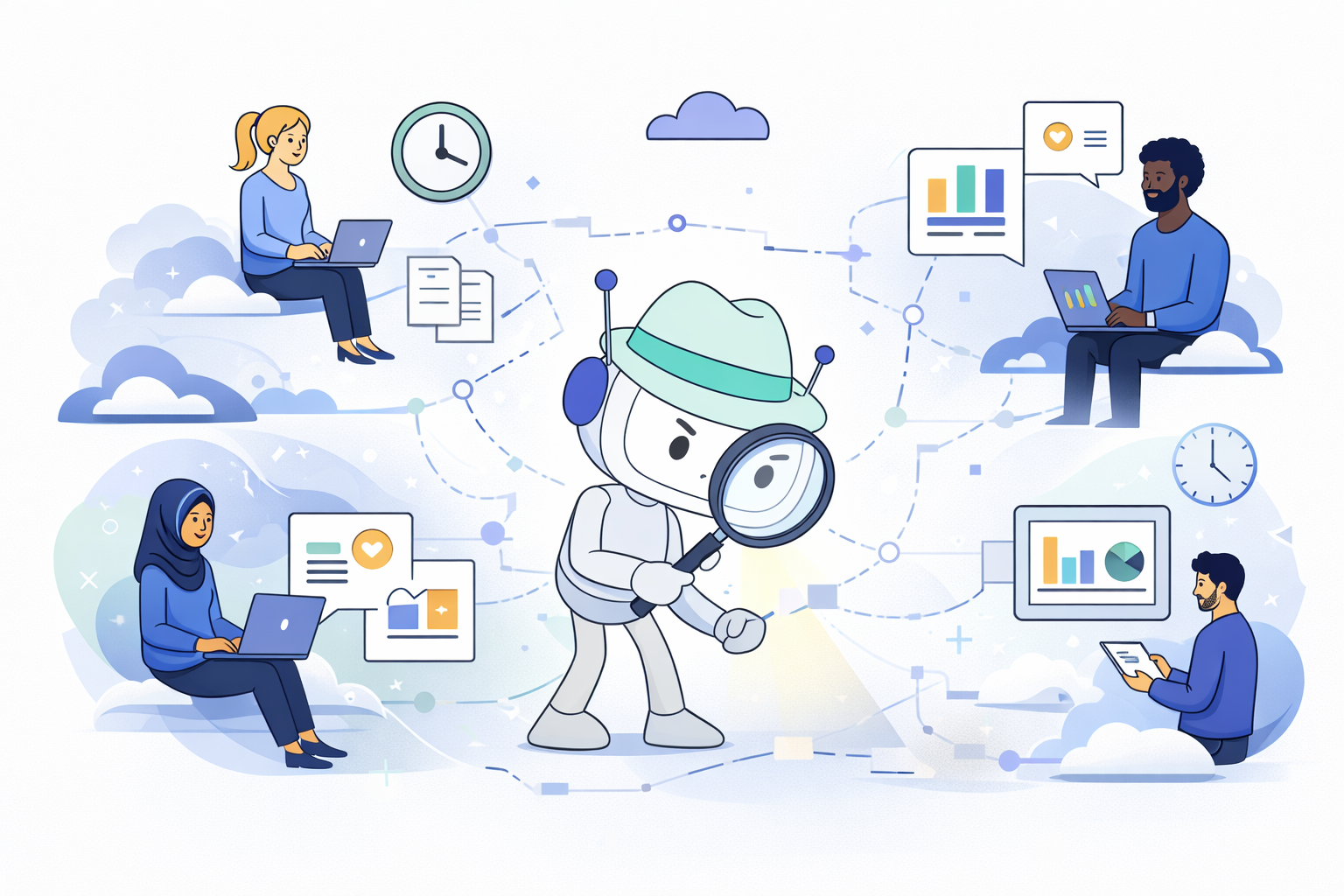
Why AI Workflows Break in Async Teams
AI workflows don't fail because the AI is weak. They fail because the way teams actually work doesn't match the assumptions baked into most AI tools. AI only works when teams already know how to work asynchronously.
How Much Time AI Really Saves — The Truth Behind AI Productivity Claims
AI productivity claims often fall apart in practice. 95% of enterprise GenAI pilots fail because most tools ignore context, timing, and human behaviour. Here's what actually creates real time savings.